Symud i'r prif gynnwys

Pecyn Gwaith i Athrawon

Cefndir

Mae hanes Tryweryn yn bwysig iawn i bobl Cymru, yn emosiynol ac yn hanesyddol. Yn y 1950au, roedd Cyngor Dinas Lerpwl yn chwilio am fwy o ddŵr i gyflenwi ei phoblogaeth a’i diwydiannau. Dewiswyd Dyffryn Tryweryn ger y Bala yng Ngwynedd fel lle i adeiladu cronfa ddŵr fawr. Yn y dyffryn roedd pentref bach o’r enw Capel Celyn, cymuned ffermio lle roedd bron pawb yn siarad Cymraeg. 

Yn 1957, cyflwynodd Lerpwl ddeddf arbennig yn Senedd y DU i ganiatáu boddi’r dyffryn. Roedd hyn yn golygu nad oedd angen caniatâd gan awdurdodau yng Nghymru. Roedd llawer o bobl yn gwrthwynebu’r cynllun, gan gynnwys trigolion y pentref, cynghorau lleol ac Aelodau Seneddol Cymru. Serch hynny, pasiwyd y ddeddf, a dim ond un AS o Gymru a bleidleisiodd o’i blaid. I lawer o bobl, roedd hyn yn dangos nad oedd gan Gymru lawer o lais gwleidyddol bryd hynny. 

Ymladdodd pobl Capel Celyn yn galed i achub eu pentref. Trefnwyd protestiadau a deisebau, a theithiodd rhai i Lerpwl a Llundain i egluro eu hachos. Cafodd y frwydr gefnogaeth gan bobl ar draws Cymru, gan godi pryderon am yr iaith Gymraeg a hawliau pobl Cymru. Ond yn y diwedd, ni lwyddwyd i atal y cynllun. Dechreuodd adeiladu’r gronfa ddŵr ym 1960. Cafodd tai ac adeiladau eu dymchwel, a bu’n rhaid i deuluoedd adael eu cartrefi. Pan gwblhawyd yr argae ym 1965, boddodd dŵr y dyffryn a diflannodd Capel Celyn o dan y llyn, a enwyd yn Llyn Celyn. Dim ond mynwent y pentref a symudwyd i dir uwch cyn y llifogydd. 

Cafodd Tryweryn effaith fawr ar wleidyddiaeth a diwylliant Cymru. Cryfhaodd gefnogaeth i genedlaetholdeb Cymru ac i amddiffyn yr iaith Gymraeg, ac roedd yn rhan o’r galw am fwy o hunanreolaeth i Gymru. Daeth y geiriau “Cofiwch Dryweryn” yn slogan enwog. Heddiw, mae Llyn Celyn yn atgoffa pobl o’r hanes hwn a’r effaith gafodd colli pentref bach ar hunaniaeth Cymru.

Casgliad y Werin Cymru

Cwestiynau posib i'w trafod

  • Sut ydych chi'n meddwl oedd bywyd yng Nghapel Celyn cyn y llifogydd?
  • Sut ydych chi'n dychmygu bod y pentrefwyr yn teimlo pan glywsant gyntaf y gallai eu cartref gael ei ddinistrio?
  • Pe bai eich cartref neu'ch ysgol eich hun dan fygythiad, pa emosiynau fyddech chi'n eu teimlo?
  • Ydych chi'n meddwl ei bod hi'n deg bod y penderfyniad i foddi'r pentref wedi'i wneud yn Llundain, nid Cymru? Pam neu pam lai?
  • Pwy ddylai fod â'r hawl i benderfynu beth sy'n digwydd i dir cymuned?
  • Beth mae'r stori hon yn ei ddysgu i ni am bŵer—pwy sydd â'r pŵer, a phwy sydd ddim?
  • Pam roedd Capel Celyn yn bwysig fel cymuned sy'n siarad Cymraeg?
  • Sut gallai colli pentref fel hyn effeithio ar yr iaith a'r diwylliant Cymraeg yn ehangach?
  • Ydych chi'n meddwl y dylid ystyried iaith cymuned wrth wneud penderfyniadau am dir?
  • Pam ydych chi'n meddwl bod “Cofiwch Dryweryn” wedi dod yn ymadrodd mor bwysig yng Nghymru?
  • Sut mae straeon fel Tryweryn yn llunio ein synnwyr o hunaniaeth Gymreig heddiw? A ddylid cofio digwyddiadau fel hyn? Os felly, sut?
  • Pe gallech chi siarad â rhywun oedd yn byw yng Nghapel Celyn cyn iddo gael ei foddi, beth fyddech chi'n ei ofyn iddyn nhw?
  • Dychmygwch fod yn rhaid i chi adael eich cartref am byth—beth yw'r un peth y byddech chi'n ei gymryd, a pham?
  • Sut y byddai plant eich oedran chi yng Nghapel Celyn wedi teimlo wrth iddyn nhw wylio'r dŵr yn codi?
  • Pam ydych chi'n meddwl bod angen y gronfa ddŵr ar Lerpwl, ac a allai fod wedi bod ateb arall?
  • A ddylai un gymuned aberthu rhywbeth er budd un arall? Pryd mae hynny'n dderbyniol ai peidio?
  • Sut ydym ni'n cydbwyso anghenion dynol (fel dŵr) â diogelu cymunedau a diwylliant?

Gweithgareddau a phrofiadau

  • Mapio'r Pentref Coll
  • Wal Atgof “Cofiwch Dryweryn”
  • Cylch Drama “Lleisiau Capel Celyn”
  • Dadl: “A oedd hi'n Iawn Gorlifo'r Dyffryn?”
  • Ysgrifennu Creadigol: Llythyr o'r Noson Olaf
  • Gweithgaredd Celf: Y Dyfroedd yn Codi
  • Trip Maes neu Daith Rhithiol
  • Adeiladu Amgueddfa Fach o Gapel Celyn
  • Gweithdy Iaith a Hunaniaeth

Cysyniadau allweddol

(sy'n deillio o'r datganiadau o'r hyn sy'n bwysig)

Y Dyniaethau
  • Ymchwilio
  • Dehongli
  • Newid a pharhad
  • Lleoedd
  • Effaith Dynol ar y Byd
  • Cyfiawnder, anghydraddoldeb a hawliau
  • Gweithredu Cymdeithasol
  • Cwestiynau moesegol a moesol
Y Celfyddydau Mynegiannol
  • Deall cyd-destun mewn gweithiau creadigol
  • Cyfleu syniadau
  • Archwilio pwrpas ac ystyr
  • Datblygu a mireinio dyluniadau
Iechyd a Llesiant
  • Dylanwadau a Normau Cymdeithasol
  • Hunaniaeth a Gwerthoedd
  • Hawliau a Pharch
  • Mathau o Gydberthynas
Ieithoedd, Llythrennedd a Chyfathrebu
  • Gwrando gydag empathi
  • Strategaethau Darllen
  • Dod i gasgliad
  • Datblygu Geirfa
  • Cyfathrebu'n effeithiol a chyfleu syniadau a barn (Ar Lafar)
  • Cydweithredu a thrafod
  • Ysgrifennu at wahanol ddibenion a chynulleidfaoedd

1867

London County Council proposes providing London with 393 million gallons of water each day. The scheme, labelled by the press as “the Monster Reservoir,” includes the construction of several new reservoirs, among them a dam in the Dee Valley that would lead to the flooding of Bala and the surrounding area.

1881-1889

Liverpool Corporation floods Cwm Llanwddyn to create Lake Vyrnwy, which at the time of its completion becomes the largest artificial lake in Europe. The dam wall stands 100 feet high and extends 400 yards in width, and the reservoir is located 68 miles from Liverpool.


1902

The Liverpool Corporation Act is passed in Parliament.


1955

March

A covert delegation travels to Cwm Tryweryn in Meirionnydd to carry out confidential surveys on behalf of Liverpool Water Corporation.


20 December

At an evening meeting, Liverpool Corporation resolves to put forward the Tryweryn scheme.


22 December

The Liverpool Daily Post runs the headline “Big new dam near Bala planned,” reporting that a parliamentary bill would grant Liverpool Corporation the legal power to dam the Tryweryn River and its valley.

1956

6 January

The residents of Cwm Tryweryn hold their first meeting to consider Liverpool Corporation’s proposal to flood the valley.


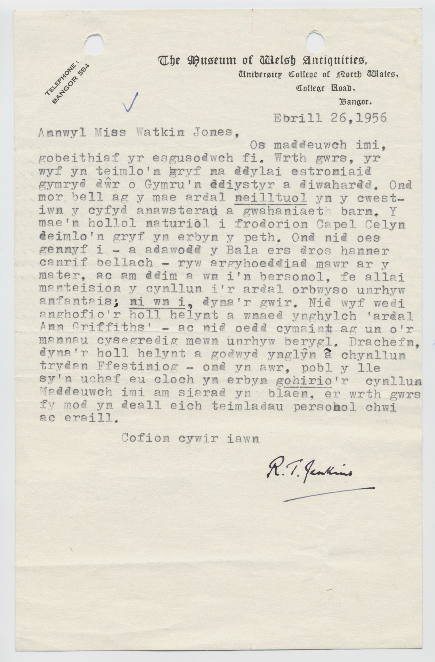
People's Collection Wales: Letter from R. T. Jenkins to E. M. Watkin Jones, Secretary of the Capel Celyn Defence Committee, 26 April 1956

Source: Meirionnydd Archives, Gwynedd Archives Service


September

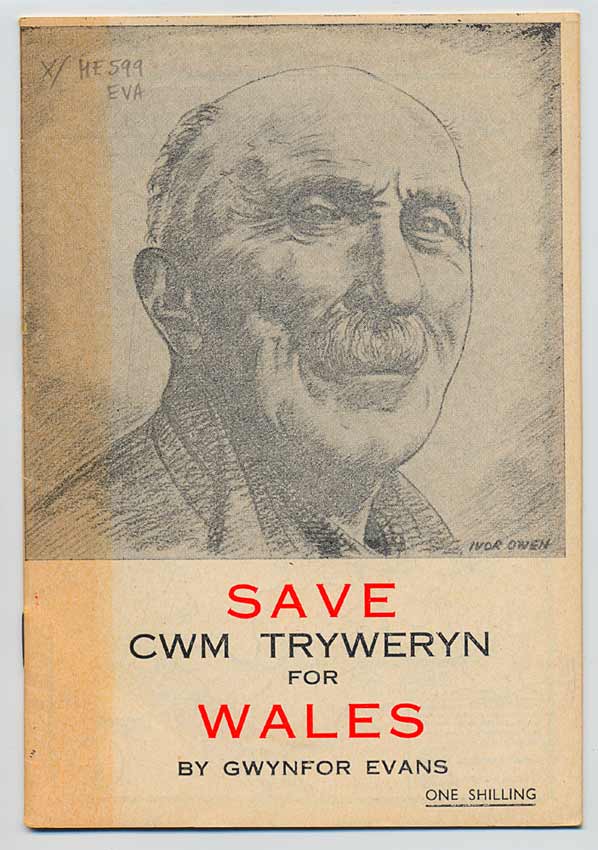
Gwynfor Evans releases a pamphlet titled Save Cwm Tryweryn for Wales.


Gwynfor Evans, 'Save Cwm Tryweryn for Wales' (Plaid Cymru, 1956) [front cover, image 1 of 27]

People's Collection Wales: Gwynfor Evans, 'Save Cwm Tryweryn for Wales'

Copyright: The Welsh Library, University of Wales Bangor Information Services 2004


21 November

All but five members of the Cwm Tryweryn community march through Liverpool’s streets carrying banners to protest the plan. The council approves the measure to flood Cwm Tryweryn by a vote of 95 to 1.


1 December

The Tryweryn Defence Committee is established in Liverpool.


18 December

Liverpool City Council votes 160 to 90 in favour of the proposal to flood Cwm Tryweryn.

1957

31 July

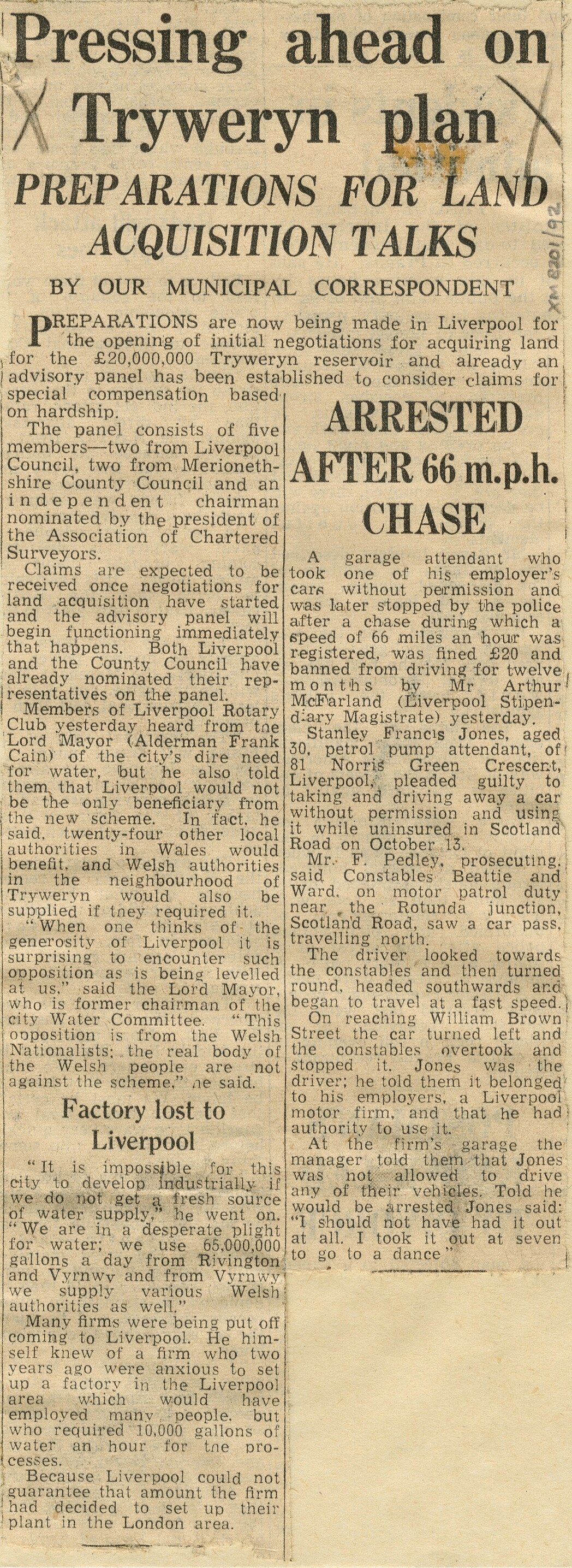
Liverpool Corporation’s Tryweryn Reservoir Bill is passed by Parliament with a majority of ninety-six. The following day, after being returned to the House of Lords, the Bill receives Royal Assent and becomes law.


Copyright: Gwynedd Archives 2011

People's Collection Wales: Pressing Ahead on Tryweryn Plan, 1957


25 October

A national conference, organised by Alderman John Hinds Morgan, the Lord Mayor of Cardiff, is held to debate a motion submitted by Gwynfor Evans. Among the four options agreed at the conference, Evans’ proposal accepts the flooding of Tryweryn but emphasises the protection of the village of Capel Celyn.


1958

21 January

At a Liverpool Corporation committee meeting, all four alternative proposals presented at the Cardiff conference are rejected.


29 April

Preliminary work to prepare Cwm Tryweryn for flooding begins with the sinking of boreholes and trial pits in the valley.


June

The final HMI report on Ysgol Capel Celyn is released.


1960

2 August

Work starts to ready Cwm Tryweryn for flooding as the construction site becomes active.


1961

Autumn

Two students, Emyr Llywelyn Jones and Aled Gwyn, approach Saunders Lewis to gauge his opinion on carrying out a peaceful protest at the Tryweryn site. Following this, several students resolve “to do something at Tryweryn.” Saunders advises Jones and Gwyn to return to college, remarking that it would be a shame to waste their “young lives” on the issue.


1963

10 February

After adopting the name Mudiad Amddiffyn Cymru (MAC – The Movement to Defend Wales), Emyr Llywelyn Jones, Owain Williams, and John Albert Jones carry out militant actions at the Tryweryn reservoir construction site.


18 February

Emyr Llywelyn Jones is taken into custody at his lodgings in Aberystwyth.


April

Owain Williams and John Albert Jones are arrested for their involvement in the Tryweryn and Gellilydan protests.


2 May

The logbook of Ysgol Capel Celyn notes the decision to close the school at the end of the term.


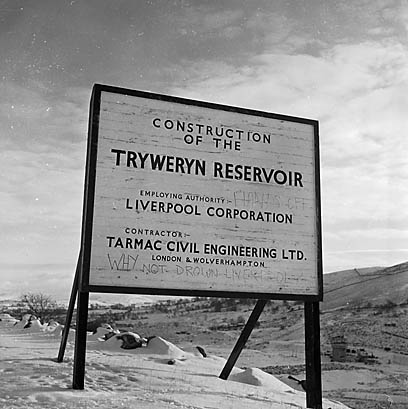
People's Collection Wales: Sign reminding the residents of Capel Celyn of the fate of their village, 14 November 1963

1964

June

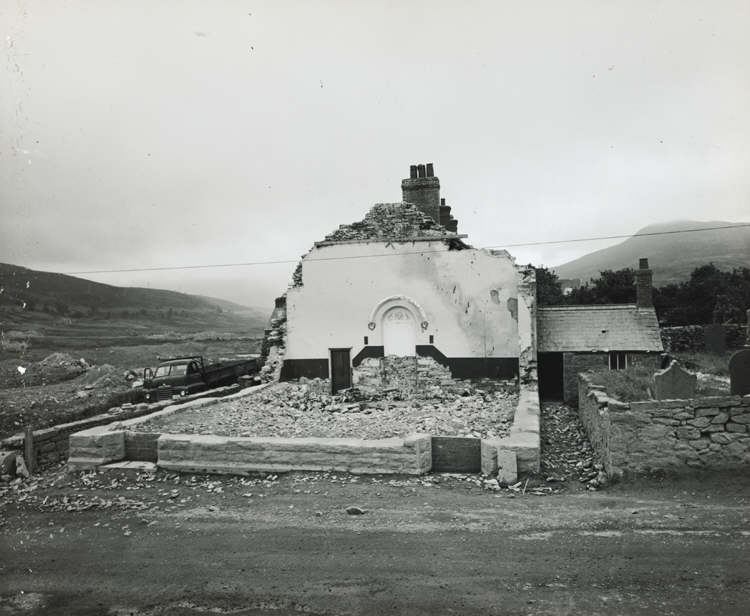
The chapel in Capel Celyn is torn down.


People's Collection Wales: Capel Celyn Chapel dismantled, 29 July 1964

Copyright: Liverpool Corporation 2001


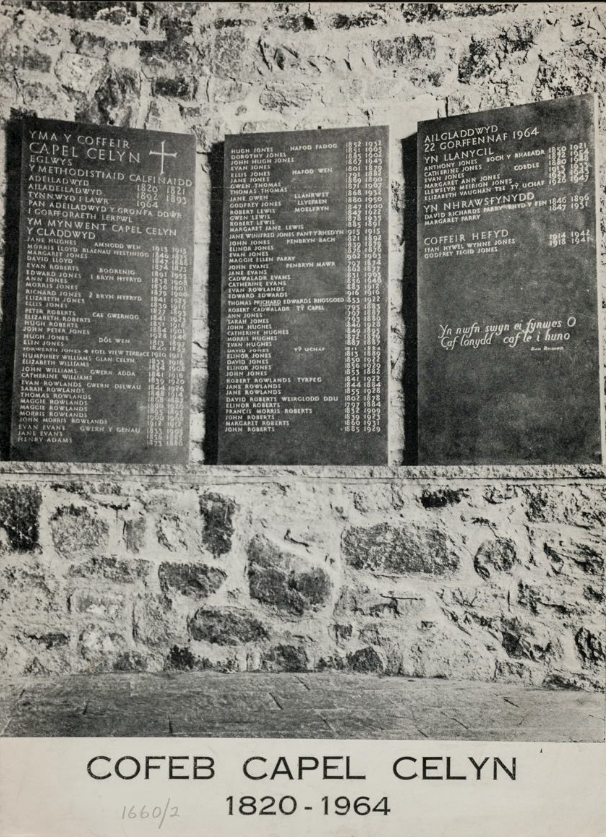
Amgueddfa Cymru: Pamphlet commemorating the opening of the Capel Celyn Memorial

Source: Amgueddfa Cymru


1 September

Water from the surrounding streams is released into the Tryweryn reservoir for the first time.

1965

August

Exactly five years after construction began, the Llyn Celyn reservoir reaches full capacity.


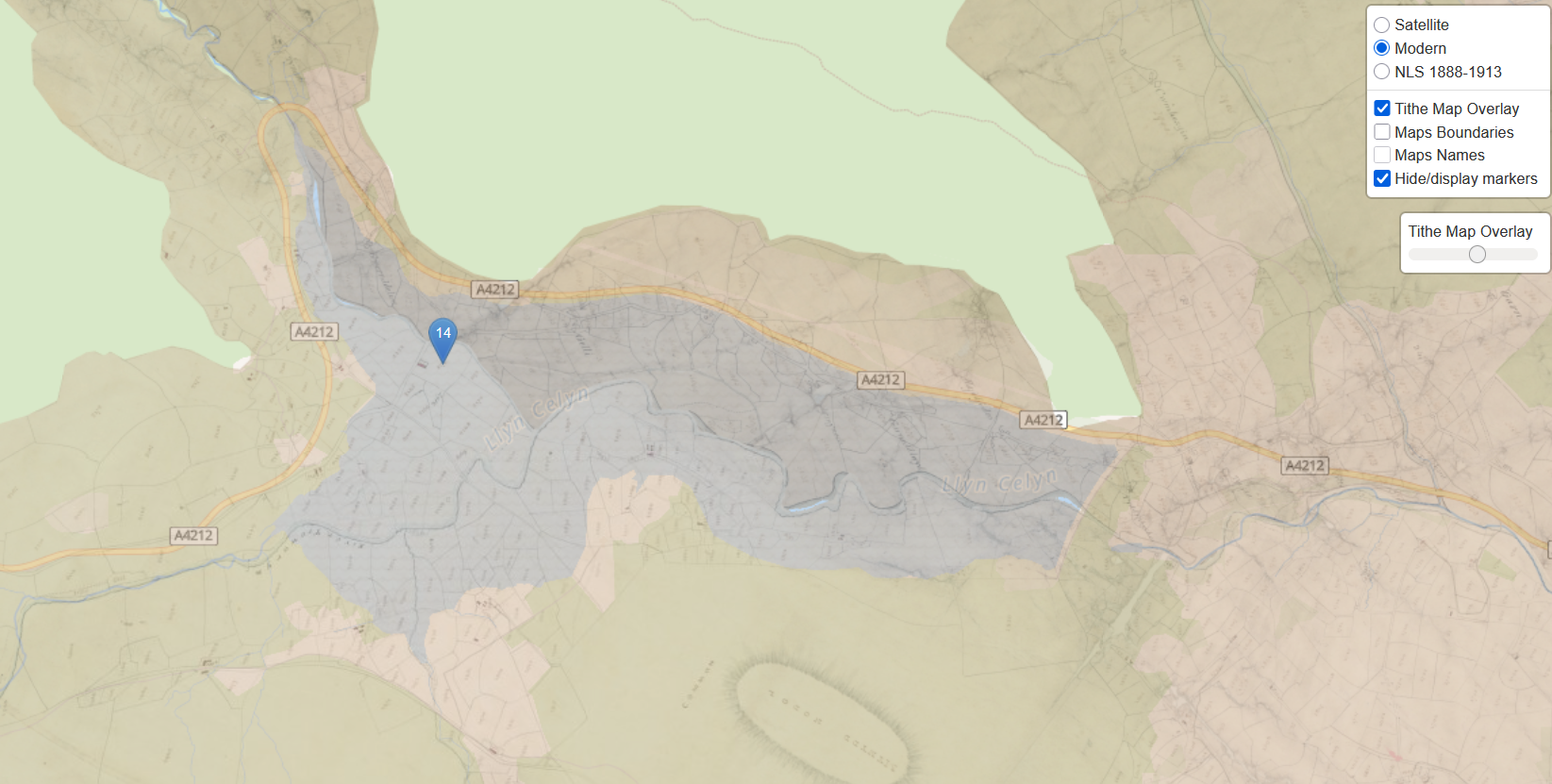
Tithe Maps of Wales: Llyn Celyn


21 October

Llyn Celyn is formally inaugurated.


1969

2 November

After a two-year militant campaign, John Barnard Jenkins and Frederick Ernest Alders are arrested at their homes in Wrexham and Rhosllanerchrugog, respectively.


1974

1 April

One of the new water boards established by the Water Act is Welsh Water, which assumes control of Llyn Celyn.


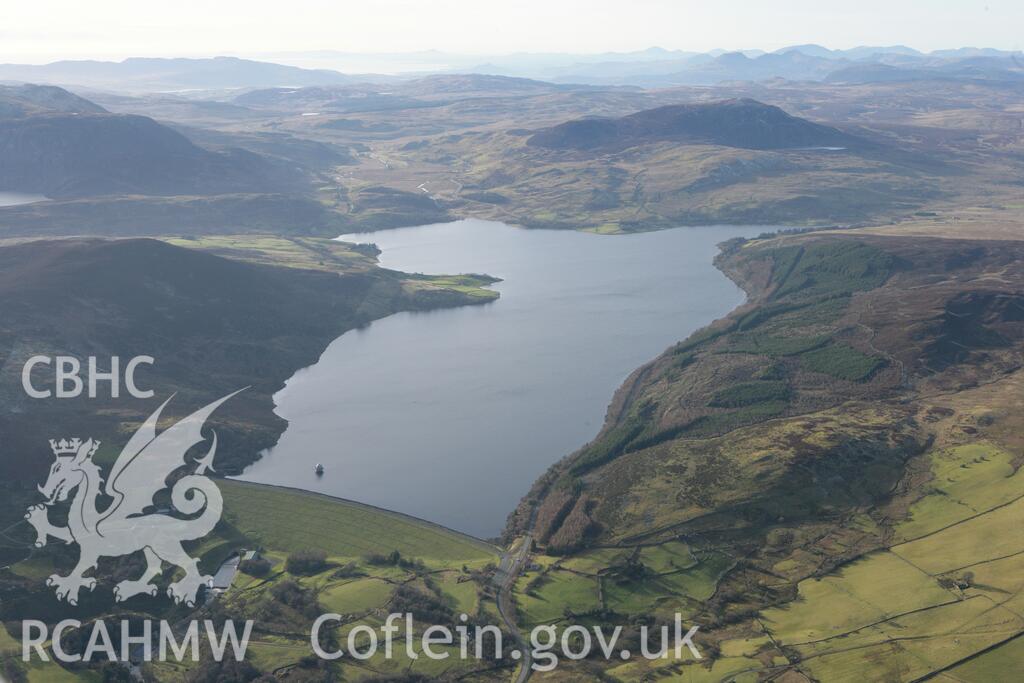
The Royal Commission on the Ancient and Historical Monuments of Wales: Coflein. Llyn Celyn

Source: Coflein, RCAHMW

1997

19 September

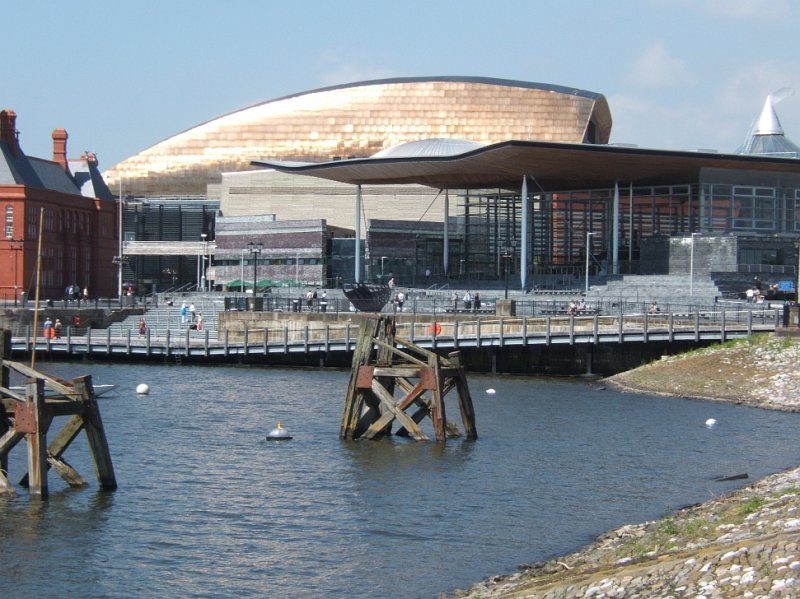
Wales votes in favour of establishing a National Welsh Assembly and a degree of devolved self-government by a majority of 6,721. The Assembly gains authority over most, though not all, aspects of water resources in Wales.


People's Collection Wales: Welsh Assembly building from across water to the south

Source: RCAHMW


People's Collection Wales